
Basketball at the 1952 Summer Olympics
Third Olympic basketball tournament with 23 nations and qualifying rounds.

Wikipedia / Wikimedia Commons
The 1952 Summer Olympics marked the third time basketball was an official medal event. Twenty-three nations entered. Sixteen teams made the main tournament, with the other seven eliminated in a qualifying round.
The top six teams from the 1948 Olympics, the 1950 world champion (Argentina), the top two from the 1951 European championship (the USSR and Czechoslovakia), and host Finland all qualified automatically. The remaining six spots were decided in a qualifying round involving thirteen nations.
In the qualifying round, any team losing two games was out. When only two teams remained in a group, they advanced. Group A featured Cuba, Belgium, Bulgaria, and Switzerland. Group B had Hungary, Greece, Israel, and the Philippines. Group C included Canada, Italy, Turkey, Romania, and Egypt.
The main tournament began with a group stage, where the top two from each group moved to the quarterfinals. In the quarterfinals, the top two teams from each group advanced to the semifinals; the other two played for fifth through eighth place. The medal round semifinals and classification semifinals followed, then finals for seventh, fifth, bronze, and gold.
Each nation could field one team of up to 14 players, all eligible. A total of 317 players were entered, though only 301 actually played at least one game. Two reserve players are known; fourteen others remain unidentified.
- Edition
- 1952 Summer Olympics
- Appearance
- Third official Olympic medal event
- Nations entered
- 23
- Teams in main tournament
- 16
- Qualifying method
- Top six from 1948 Olympics, 1950 FIBA World champion (Argentina), top two from 1951 EuroBasket (USSR, Czechoslovakia), host (Finland), plus six from qualifying
- Players entered
- 317
- Players who played at least one game
- 301
Lore & Background
The tournament featured a qualifying round where nations that lost two games were eliminated. When only two teams remained in each group, those teams advanced to the main tournament. Group A consisted of Cuba, Belgium, Bulgaria, and Switzerland; Group B had Hungary, Greece, Israel, and the Philippines; Group C included Canada, Italy, Turkey, Romania, and Egypt. The top two teams from each group advanced to the quarterfinal round, which was divided into Groups E and F. The top two teams in each quarterfinal advanced to the semifinals, while the other two played in the fifth through eighth place classification. The knockout rounds included semifinals, a 7th place final, 5th place final, bronze medal match, and gold medal match.
Reader's Guide
The 1952 Summer Olympics basketball tournament marked the sport's third appearance as an official medal event, expanding to 23 nations. The qualification system combined automatic berths for top performers from the previous Olympics, the 1950 FIBA World Championship, and the 1951 EuroBasket, alongside a qualifying round for the remaining spots. This structure reflected the growing international organization of basketball. The tournament's format—with group stages, quarterfinals, and classification matches—established a template for future Olympic basketball competitions. The participation of 317 players, with 301 actually playing at least one game, underscores the scale of the event. The inclusion of teams from diverse regions, such as the Philippines and Israel, highlighted basketball's global reach. The competition's results and structure contributed to the sport's evolution within the Olympic program.
Did You Know?
- 23 nations entered the competition, but only 16 teams advanced to the main tournament.
- The top six teams from the 1948 Summer Olympics qualified automatically.
- Argentina qualified as the winner of the 1950 FIBA World Championship.
- A total of 317 players were entered, but only 301 played at least one game.
Gallery
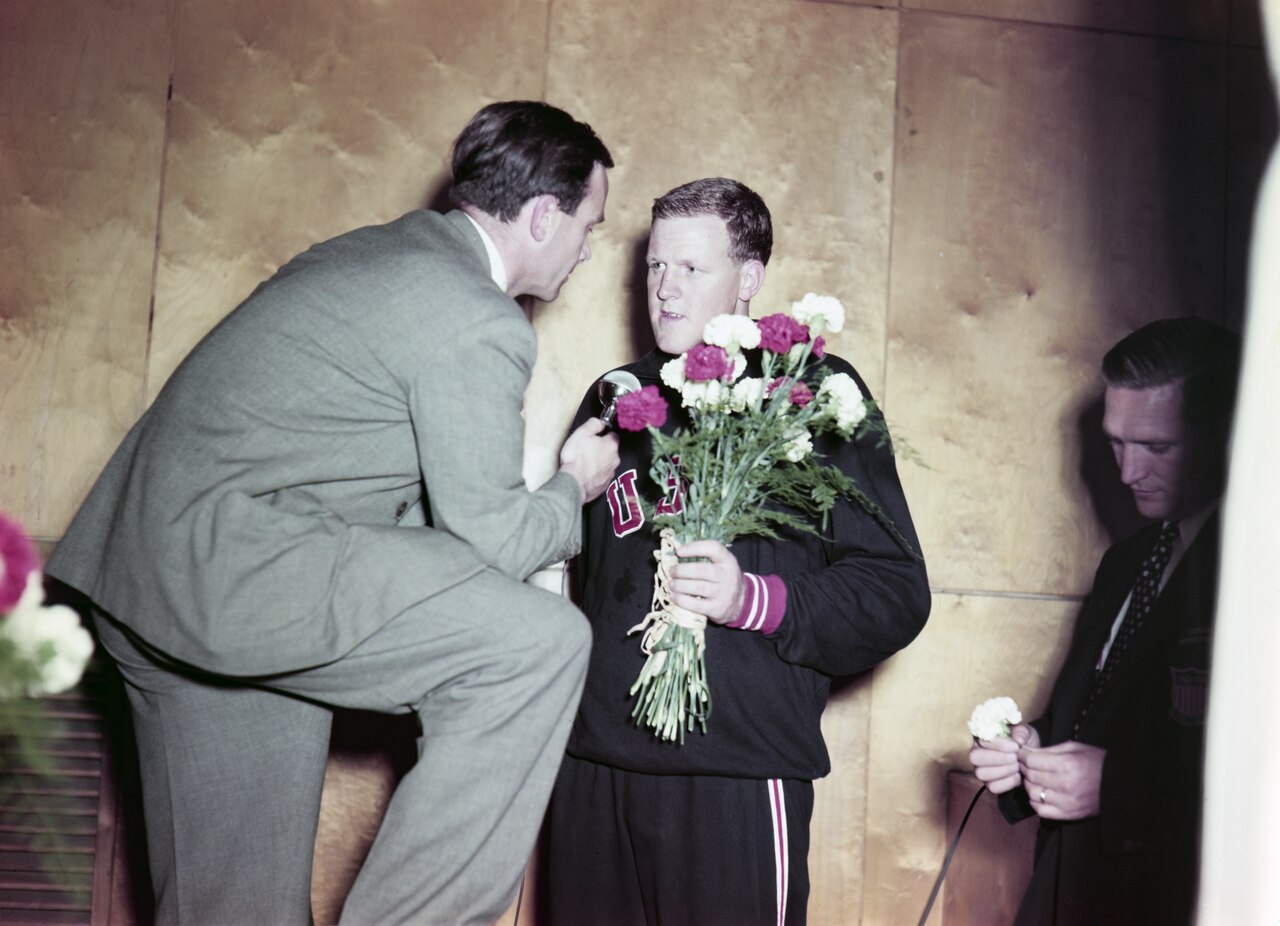
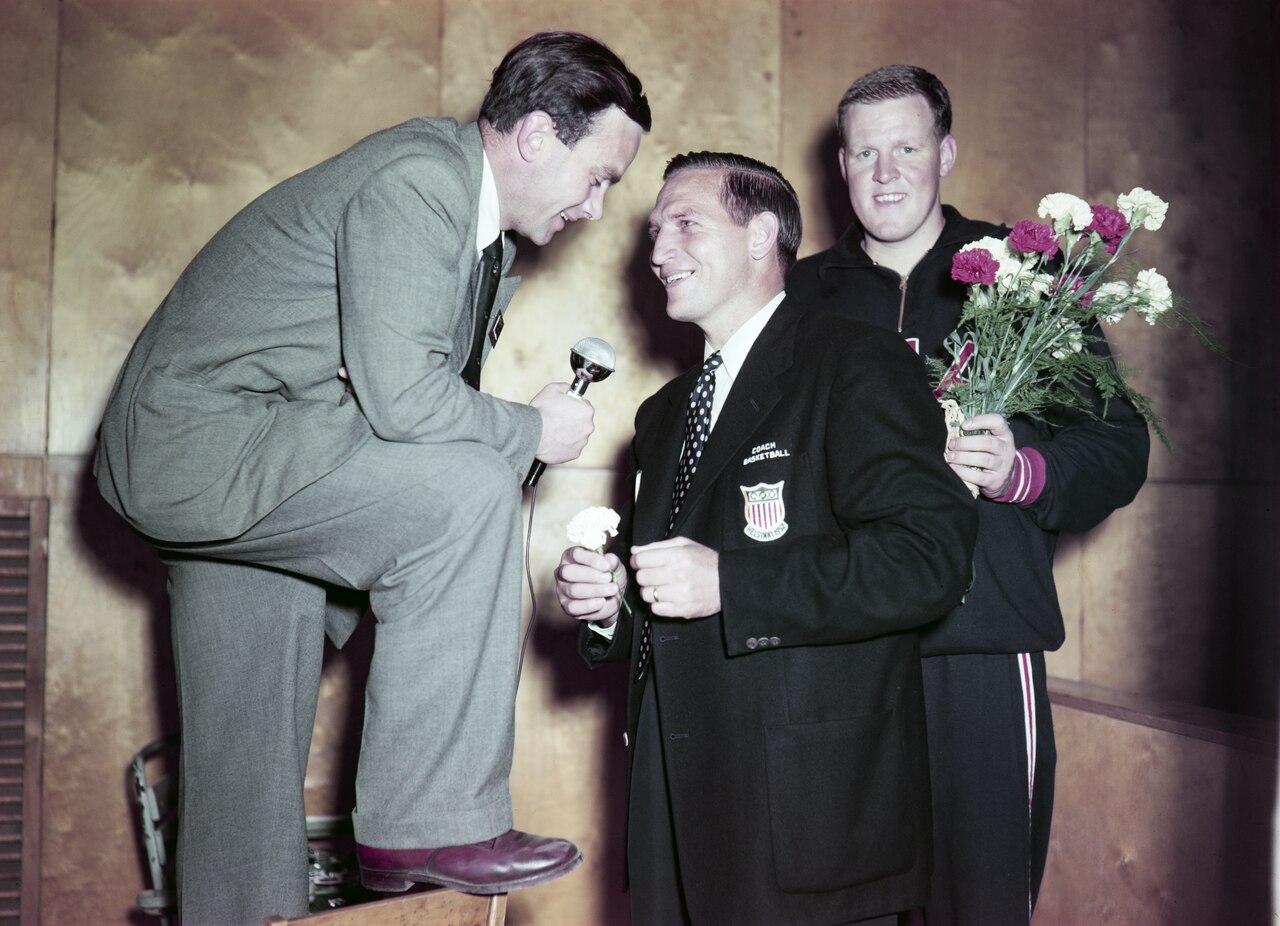
More in Basketball at the Summer Olympics 1-24
Spotted an error? Know more?
This is a living reference — every entry is fact-audited, and reader corrections feed straight into our audit queue. Suggest an edit · See this site's audit record